
The Benefits of Eco-Friendly Wardrobe Solutions: Why New Zealanders Are Making the Switch


The Rise of Eco-Friendly Fashion in New Zealand
In recent years, New Zealanders have increasingly embraced eco-friendly wardrobe solutions as part of a broader commitment to sustainability. This shift is driven by a growing awareness of the environmental impact of fast fashion and a desire to make more responsible choices. By opting for sustainable clothing options, Kiwis are paving the way for a greener future while still enjoying stylish and functional apparel.
Eco-friendly fashion is not just about wearing organic cotton or recycled materials; it's a comprehensive approach that includes ethical production processes and mindful consumer habits. As more people become informed about the benefits of sustainable fashion, the trend continues to gain momentum across the nation.
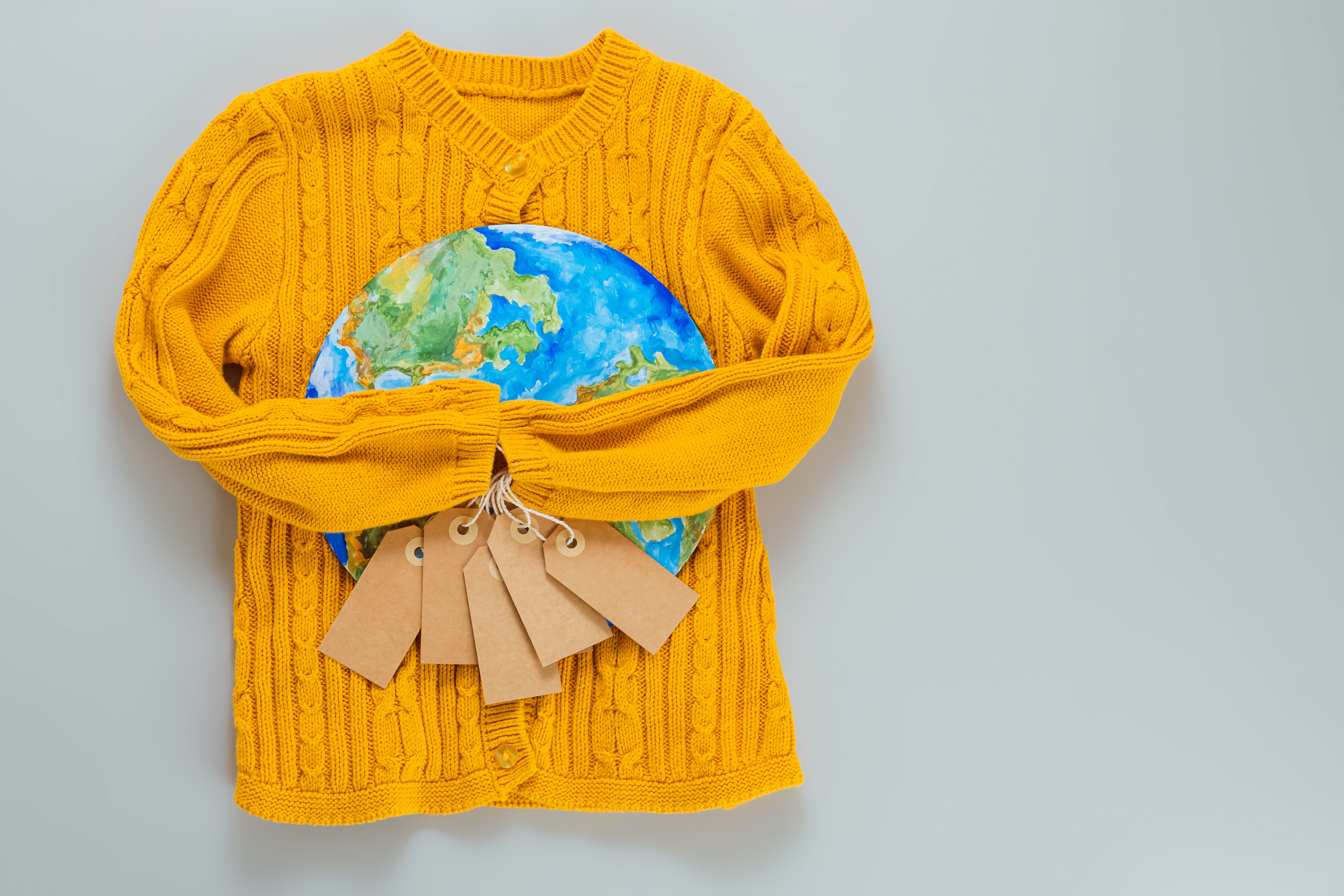
Environmental Benefits of Sustainable Clothing
One of the most significant advantages of eco-friendly wardrobe solutions is their positive impact on the environment. Traditional fashion manufacturing processes often involve harmful chemicals, excessive water consumption, and significant carbon emissions. In contrast, sustainable fashion prioritizes environmentally friendly practices.
By choosing eco-friendly brands, consumers can help reduce pollution and conserve natural resources. For example:
- Organic cotton uses less water and avoids toxic pesticides.
- Recycled materials reduce waste and energy consumption.
- Local production minimizes carbon footprints associated with long-distance shipping.
Supporting Ethical Practices
Another compelling reason New Zealanders are making the switch to sustainable fashion is the commitment to ethical practices. Many eco-friendly brands prioritize fair wages, safe working conditions, and transparency in their supply chains. This ensures that workers are treated fairly and human rights are respected.
By purchasing from brands that uphold these values, consumers can contribute to positive change in the global fashion industry. Supporting ethical practices not only empowers workers but also encourages other companies to adopt similar standards.
Quality Over Quantity
Eco-friendly wardrobe solutions often prioritize quality over quantity, leading to longer-lasting garments. Sustainable brands focus on durable materials and timeless designs, which means fewer clothes end up in landfills. This approach aligns with the concept of "slow fashion," which encourages thoughtful consumption and reduces waste.
Investing in high-quality pieces may require a higher initial cost, but these garments often provide better value over time due to their longevity. New Zealanders are increasingly recognizing the benefits of buying less but choosing better, contributing to a more sustainable lifestyle.

The Community Aspect of Sustainable Fashion
Another reason for the shift towards eco-friendly wardrobe solutions is the sense of community it fosters. Many sustainable fashion initiatives are driven by local designers and artisans who are passionate about creating positive change. By supporting these businesses, consumers can help strengthen local economies and promote a culture of sustainability.
Community-based initiatives such as clothing swaps and repair workshops are also becoming popular, allowing individuals to extend the life of their clothing while connecting with like-minded people. These activities not only reduce waste but also build connections among those who are committed to sustainable living.
Conclusion: A Collective Effort for a Greener Future
The shift towards eco-friendly wardrobe solutions in New Zealand reflects a broader commitment to environmental responsibility and ethical practices. As more people embrace sustainable fashion, they contribute to a collective effort aimed at reducing environmental impact and promoting social equity.
By making informed choices about what we wear, we can all play a part in creating a more sustainable future. Whether through supporting local designers, choosing quality over quantity, or advocating for ethical practices, every decision counts in the journey towards a greener planet.