
Eco-Friendly Wardrobe Transformation: Tips for a Greener Home


The Importance of an Eco-Friendly Wardrobe
Transitioning to an eco-friendly wardrobe is not just a trend, but a necessary step towards sustainability. With the fashion industry being one of the largest polluters, making conscious choices about our clothing can have a significant positive impact on the environment. By adjusting our purchasing habits and caring for our garments more thoughtfully, we can contribute to a healthier planet.
Creating a sustainable wardrobe is about more than just buying organic cotton or recycled materials. It's about embracing a mindset that values quality over quantity and considers the lifecycle of every piece we own. This shift can lead to not only environmental benefits but also personal satisfaction and style enhancement.
Invest in Quality Over Quantity
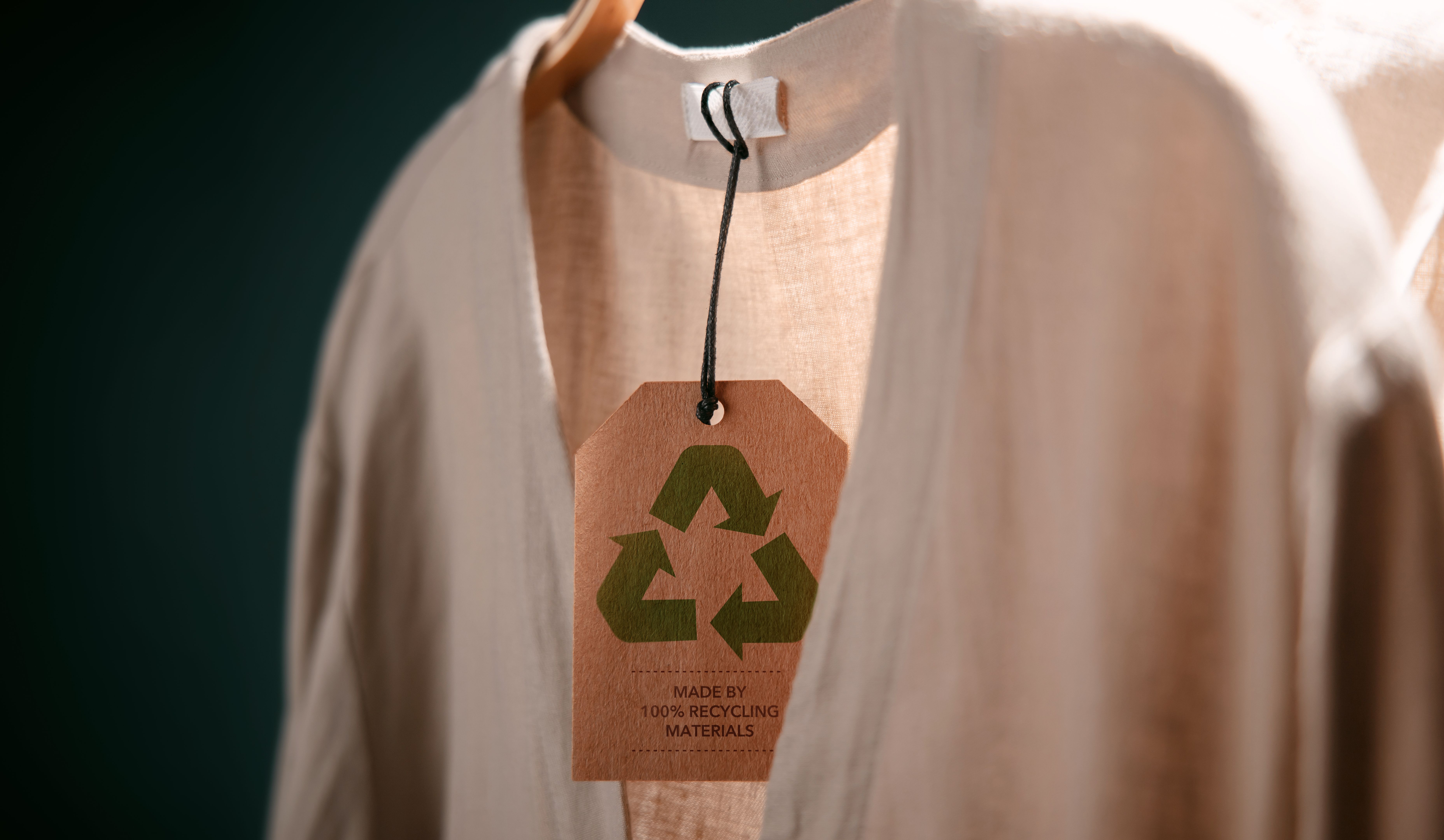
One of the first steps towards an eco-friendly wardrobe is investing in high-quality garments that last. Instead of buying numerous fast-fashion items, focus on pieces that are well-made and timeless. While these may come with a higher price tag, they are often more durable and versatile, saving you money in the long run.
Consider brands that prioritize ethical production practices and transparency. Look for certifications like GOTS (Global Organic Textile Standard) and Fair Trade, which ensure that the products are made responsibly. Supporting these brands not only contributes to environmental sustainability but also encourages fair labor practices.
The Power of Thrifting and Upcycling
Thrifting is a fantastic way to reduce waste and give clothes a second life. Shopping at thrift stores or online resale platforms can uncover unique, stylish pieces while minimizing your environmental footprint. Additionally, upcycling old garments by transforming them into new styles or repurposing them for different uses can creatively extend their lifespan.

For those with a knack for DIY, consider altering or repairing clothes yourself. This practice not only saves money but also adds a personal touch to your wardrobe, making each piece truly one-of-a-kind.
Practice Mindful Washing
How we care for our clothes plays a crucial role in their longevity and environmental impact. Wash clothes only when necessary and opt for cold water cycles to save energy. Use eco-friendly detergents that are biodegradable and free from harsh chemicals, which can harm aquatic ecosystems.
Line drying is another energy-saving method that also extends the life of your garments by reducing wear and tear from machine drying. If using a dryer, consider using dryer balls to reduce drying time and static.

Capsule Wardrobe: A Minimalist Approach
A capsule wardrobe is a collection of essential clothing items that can be mixed and matched to create various outfits. By curating a limited number of versatile pieces, you minimize clutter and focus on quality over quantity. This approach promotes mindful shopping and helps avoid impulse purchases.
Building a capsule wardrobe involves selecting pieces that suit your lifestyle and personal style. Consider neutral tones and classic cuts that never go out of fashion. This strategy not only contributes to sustainability but also simplifies daily outfit decisions.
Support Sustainable Fashion Initiatives
Participating in sustainable fashion initiatives can amplify your impact. Support brands that are committed to reducing their carbon footprint, use sustainable materials, or engage in recycling programs. Many companies now offer take-back schemes for old garments, ensuring they are responsibly recycled or repurposed.
Stay informed about the latest innovations in sustainable fashion and share your knowledge with others. By spreading awareness, you can inspire others to make greener choices and collectively work towards a more sustainable future.
Transforming your wardrobe into an eco-friendly haven doesn't happen overnight, but every small step counts. By making conscious decisions about what we wear and how we care for our clothes, we can all contribute to a healthier environment and a more sustainable world.