
Eco-Friendly Storage Solutions: Balancing Style and Sustainability


The Rise of Eco-Friendly Storage Solutions
In recent years, the demand for eco-friendly products has surged, and the storage solutions industry is no exception. More consumers are seeking ways to reduce their environmental impact, and sustainable storage options have become an essential part of this movement. From materials to manufacturing processes, various aspects contribute to making storage solutions more environmentally friendly.
Eco-conscious consumers are no longer willing to sacrifice style for sustainability. They want storage solutions that not only reduce their carbon footprint but also enhance the aesthetic appeal of their homes. Fortunately, the market has responded with innovative designs that meet these dual demands.

Choosing Sustainable Materials
One of the most critical factors in eco-friendly storage is the use of sustainable materials. Many manufacturers now opt for natural, renewable resources such as bamboo, reclaimed wood, and recycled metals. These materials offer a lower environmental impact compared to traditional options like plastic or non-renewable wood sources.
Bamboo, for example, is a fast-growing plant that doesn’t require replanting after harvesting, making it an excellent choice for sustainable storage solutions. Reclaimed wood not only reduces waste but also gives furniture a unique character and history, adding to the charm of your home’s decor.
Innovative Design for Maximum Functionality
Functionality is key when it comes to storage solutions, and eco-friendly products are no exception. Designers are finding creative ways to maximize space and utility while maintaining a commitment to sustainability. Modular and multi-functional furniture pieces are particularly popular, allowing consumers to customize their storage according to their needs.
Some examples of innovative designs include stackable storage bins made from recycled materials and furniture pieces that double as storage units. These products not only help declutter spaces but also support the environment by using eco-conscious materials and manufacturing methods.
Supporting Local Artisans and Craftsmen
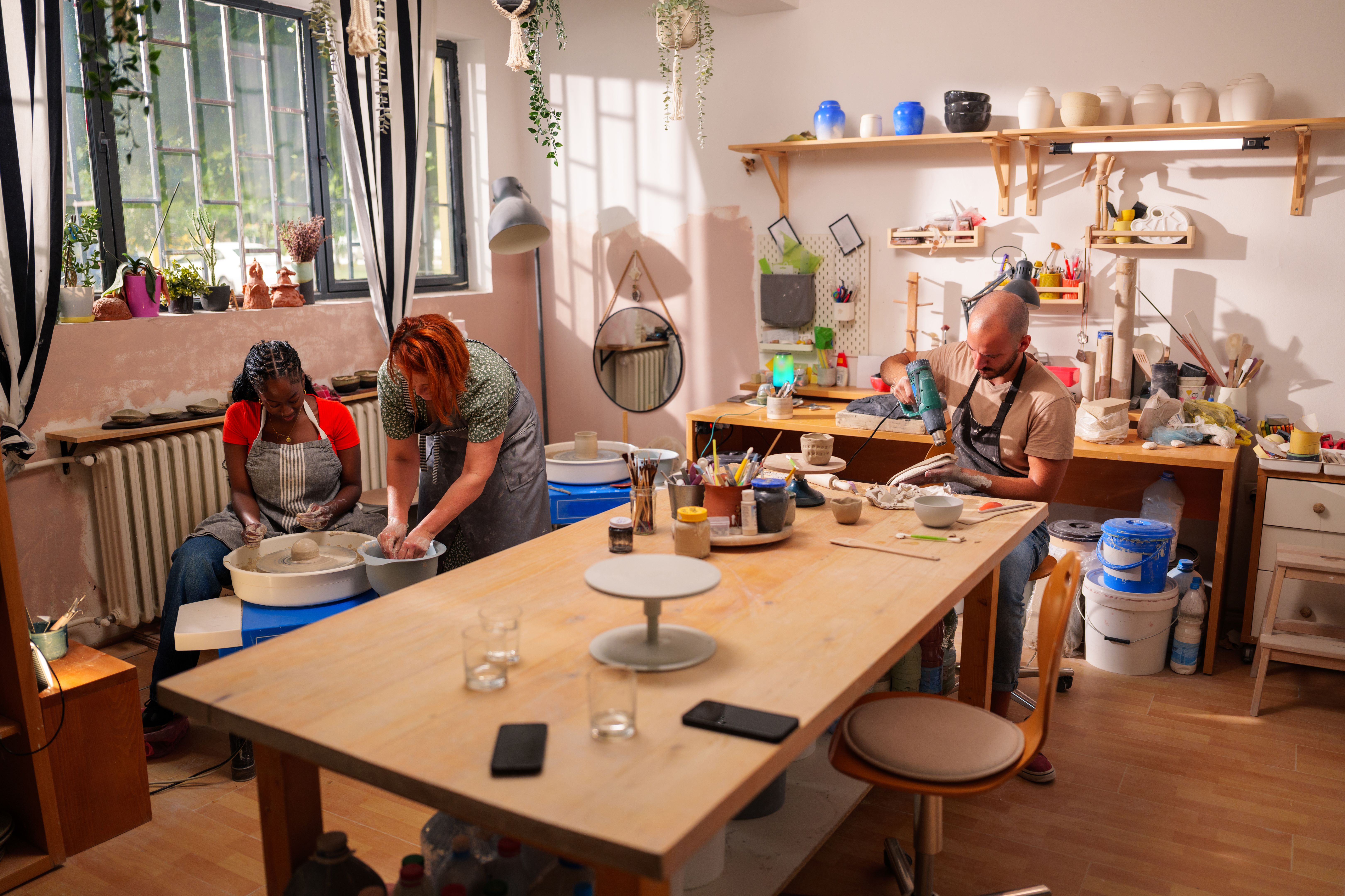
Another trend in sustainable storage is the support of local artisans and craftsmen who prioritize environmentally friendly practices. By purchasing from small businesses or local artisans, consumers can reduce the carbon footprint associated with shipping and transportation. Additionally, these artisans often use locally sourced materials, further minimizing environmental impact.
Supporting local craftsmanship also often means investing in high-quality, durable products that are built to last. This reduces the need for frequent replacements, ultimately leading to less waste over time.
Small Changes for a Big Impact
Adopting eco-friendly storage solutions doesn't necessarily mean a complete overhaul of your current setup. Sometimes, small changes can make a significant difference. Consider switching out plastic containers for glass or stainless steel alternatives, or opting for cloth storage bins instead of plastic ones.
- Use recycled or upcycled materials for DIY storage projects.
- Choose products with minimal packaging to reduce waste.
- Opt for second-hand or vintage storage furniture.
By making these simple adjustments, you can contribute to a more sustainable lifestyle while still enjoying the benefits of organized and stylish living spaces.
The Future of Eco-Friendly Storage
As awareness of environmental issues continues to grow, the future of storage solutions looks increasingly green. Companies are investing in research and development to create even more sustainable products, from biodegradable storage containers to energy-efficient manufacturing processes.
Consumers can expect to see a wider variety of eco-friendly products available as technology advances and more businesses commit to sustainable practices. In the meantime, by choosing eco-friendly storage solutions today, you can help pave the way for a greener tomorrow.