
Eco-Friendly Approach: Sustainable Materials for Wardrobes and Storage


Understanding the Importance of Sustainable Materials
In a world increasingly conscious of environmental issues, incorporating sustainable practices into everyday life has become essential. One area where this is gaining traction is in the design and production of wardrobes and storage solutions. By choosing eco-friendly materials, consumers can make a significant impact on reducing their carbon footprint and promoting a healthier planet.
Traditional manufacturing processes often rely on materials that are harmful to the environment, such as plastics and non-renewable wood sources. However, with a shift towards sustainability, there is a growing availability of eco-friendly materials that offer durability and style without compromising the health of our planet.

Types of Eco-Friendly Materials for Wardrobes
When considering sustainable materials for wardrobes, it's essential to look at options that are both renewable and responsibly sourced. Here are some popular choices:
- Bamboo: A fast-growing plant that regenerates quickly, bamboo is an excellent renewable resource. It's durable and provides a sleek, modern look to any wardrobe.
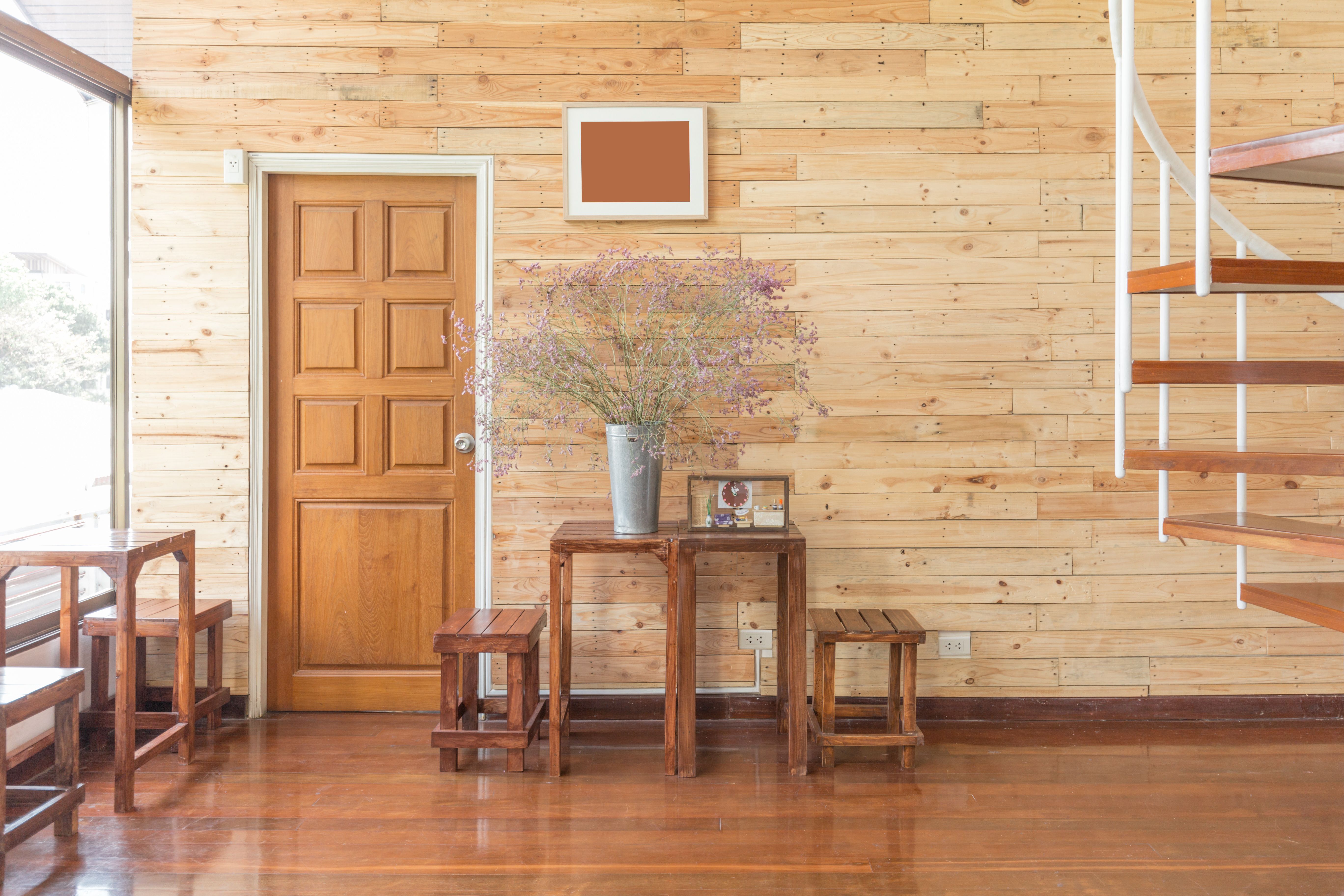
- Reclaimed Wood: Using wood that has been salvaged from old buildings or furniture reduces the need for new timber and gives unique character to storage solutions.
- Cork: Harvested from the bark of cork oak trees, this material is renewable and biodegradable. It's also lightweight and provides a natural aesthetic.
Benefits of Using Eco-Friendly Materials
Incorporating sustainable materials into your wardrobe design offers several benefits. Firstly, these materials often require less energy to produce, reducing the overall carbon emissions associated with manufacturing. Additionally, many eco-friendly options are biodegradable or recyclable, which helps minimize waste in landfills.
Eco-friendly materials are also typically free from harmful chemicals or toxins, making them safer for both the environment and personal health. This is particularly important for furniture that comes into close contact with clothing and personal items.
Designing with Sustainability in Mind
Beyond just choosing sustainable materials, designing with sustainability in mind involves considering the entire lifecycle of the product. This includes how it's manufactured, transported, and eventually disposed of. Opting for modular furniture that can be easily disassembled and recycled or repurposed is a great way to extend the life of your wardrobe system.
Supporting Ethical Manufacturers
When selecting eco-friendly wardrobes and storage solutions, it's crucial to support manufacturers who are committed to ethical production practices. This involves using fair labor practices, reducing waste during production, and ensuring transparency in sourcing materials.
Many companies now provide certifications or information about their sustainability efforts, making it easier for consumers to make informed choices. By supporting these businesses, you help drive demand for sustainable products and encourage more companies to adopt environmentally friendly practices.
Conclusion: Making a Positive Impact
By embracing sustainable materials for wardrobes and storage solutions, individuals can play a vital role in promoting environmental stewardship. Whether through choosing renewable resources like bamboo and cork or supporting ethical manufacturers, every small decision contributes to a larger movement towards a greener future.
As awareness continues to grow, the trend towards eco-friendly design is likely to expand, offering even more innovative solutions for conscious consumers. Together, these efforts can lead to a significant positive impact on the planet.