
Comparing Wardrobe Solutions: Built-In vs. Freestanding in New Zealand


Introduction to Wardrobe Solutions
When it comes to organizing your home, wardrobes play a crucial role in managing clothing and accessories. In New Zealand, homeowners often face a decision between choosing built-in wardrobes or freestanding ones. Each option has its unique benefits and drawbacks, and understanding these can help you make an informed choice that best suits your needs.
Understanding Built-In Wardrobes
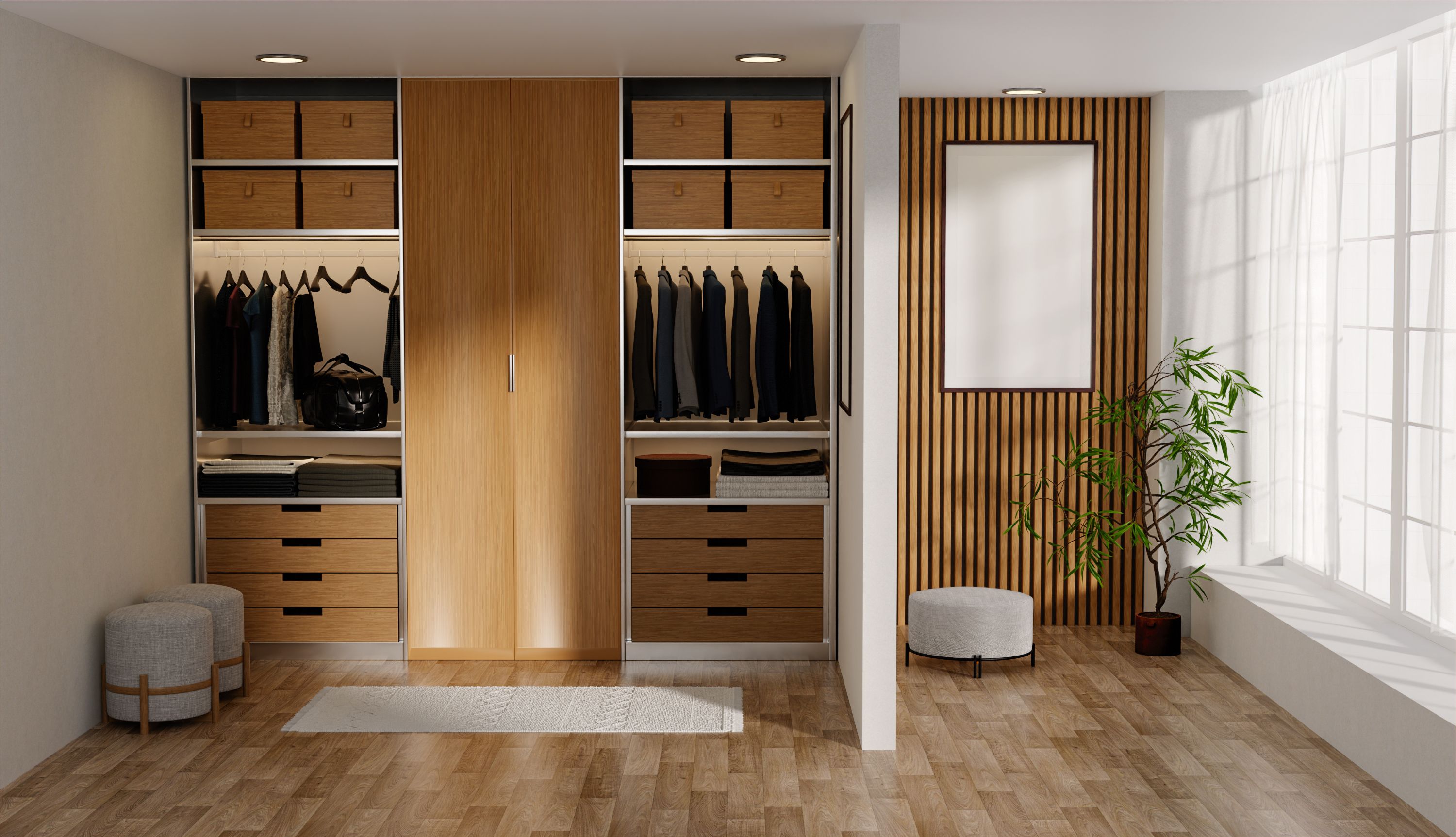
Built-in wardrobes are custom-made to fit into a specific space in your home. They are often seen as a more permanent solution, seamlessly integrating with the room's architecture. Customization is a significant advantage of built-in wardrobes, allowing homeowners to tailor the design, materials, and layout to their exact preferences.
Benefits of Built-In Wardrobes
The primary benefit is their ability to maximize space efficiency. Built-in wardrobes can utilize awkward spaces such as alcoves or sloped ceilings, making them ideal for homes with unconventional layouts. Additionally, they add a sense of elegance and sophistication, potentially increasing the value of your property.
The Flexibility of Freestanding Wardrobes
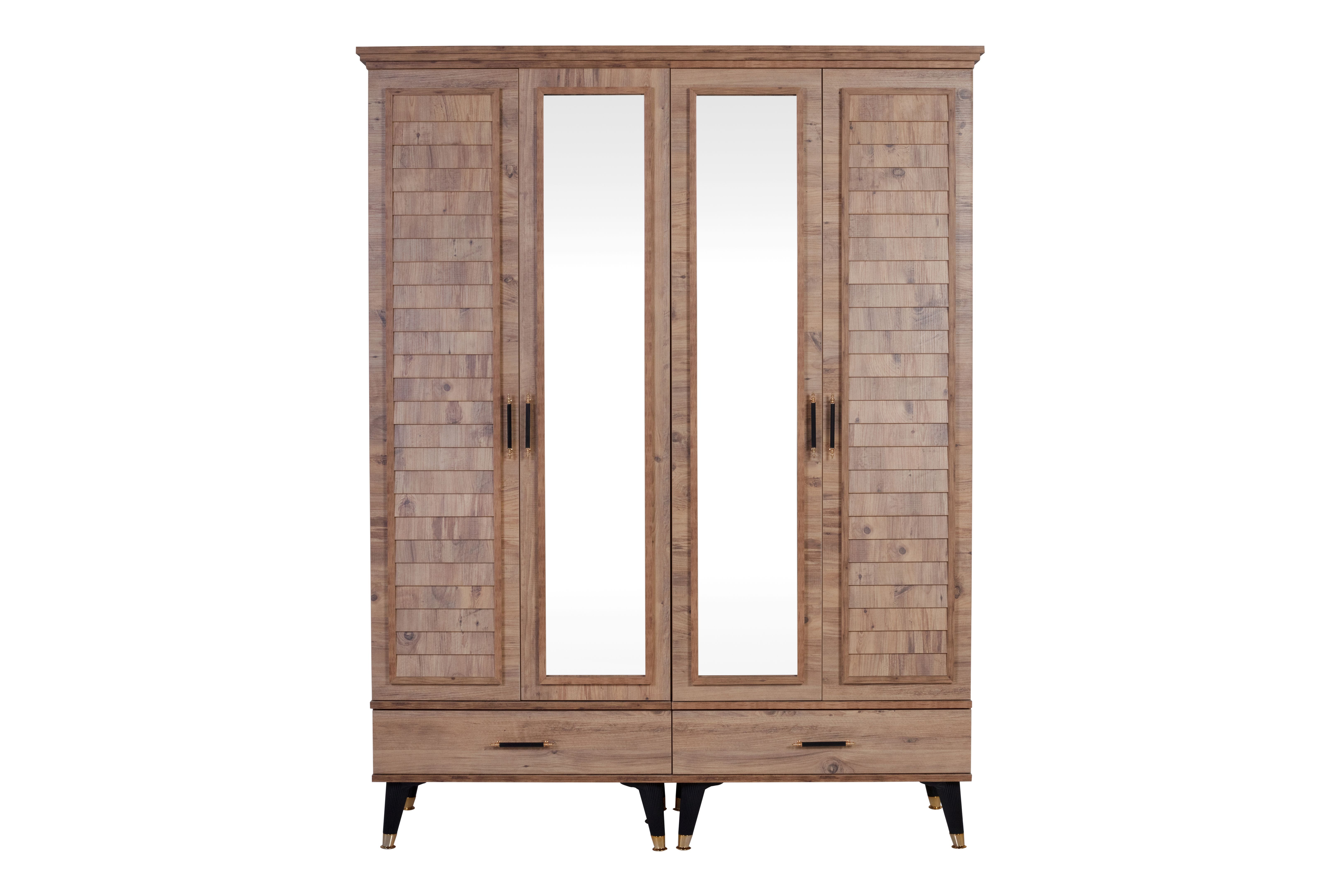
In contrast, freestanding wardrobes offer versatility and mobility. These units can be easily moved or replaced, providing flexibility in how you organize your space. This is particularly beneficial for renters or homeowners who frequently redecorate or relocate.
Advantages of Freestanding Wardrobes
Freestanding wardrobes typically come in a variety of styles, materials, and sizes, making it easier to find one that matches your existing decor. They also tend to be more cost-effective than built-in options, which can be appealing for those on a budget.
Considerations for New Zealand Homes
When choosing between built-in and freestanding wardrobes, it's important to consider your specific living situation. New Zealand homes vary widely in architectural styles and sizes, influencing the most suitable wardrobe option. Additionally, think about factors such as future plans for moving or renovating.
Environmental Impact
Another consideration is the environmental impact. Built-in wardrobes often use more materials due to their customized nature but can last longer due to their permanence. Freestanding wardrobes might have a lower initial environmental footprint but may require replacement sooner.
Making the Right Choice
Ultimately, the decision between built-in and freestanding wardrobes should align with your lifestyle and personal preferences. Consider factors such as budget, design preferences, and long-term living plans. Consulting with a local interior designer may also provide valuable insights tailored to New Zealand's unique housing market.
Both built-in and freestanding wardrobes offer distinct advantages that can enhance the functionality and aesthetics of your home. By weighing these options carefully, you can create a wardrobe solution that perfectly complements your living space.