
Comparing Sliding Doors: What to Consider Before Buying


Understanding Sliding Door Types
Choosing the right sliding door for your home involves understanding the different types available. The most common options include bypass, pocket, and bi-fold doors. Each type has its own benefits and drawbacks, influencing where and how they can be used in your space.

Bypass doors are often used for closets and pantries, featuring two or more panels that slide past each other. Pocket doors slide into the wall, saving space and offering a clean look. Bi-fold doors, on the other hand, fold in or out to open, making them ideal for smaller spaces.
Material Options
When selecting sliding doors, consider the material as it affects durability, appearance, and maintenance. Popular materials include wood, glass, aluminum, and vinyl. Each material offers distinct advantages and can complement various interior styles.
Wooden sliding doors exude warmth and elegance, while glass doors allow natural light to flow through, fostering an open feel. Aluminum doors are known for their strength and sleek design, whereas vinyl is appreciated for its affordability and low maintenance.
Size and Configuration
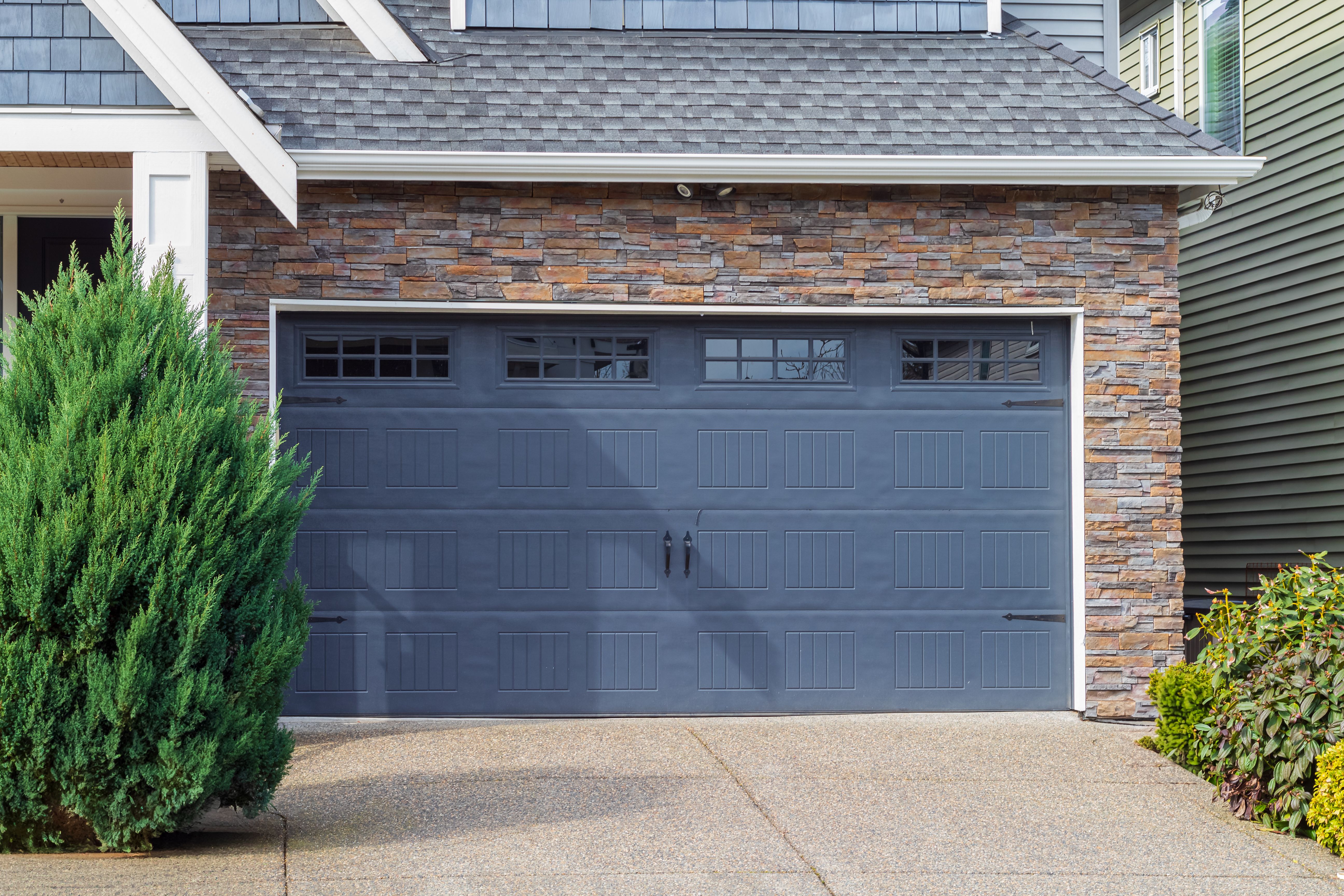
The size and configuration of your sliding door should match your space requirements. Start by measuring the doorway and considering how the door will function in your room. You'll want to ensure there's enough space for the door panels to slide open without obstruction.
Customizable options are available for those with unique spaces or specific aesthetic desires. Many manufacturers offer bespoke designs to fit your exact dimensions and preferences.
Energy Efficiency
Energy efficiency is a critical factor for many homeowners, particularly in climates with extreme temperatures. Look for sliding doors with double-glazed or triple-glazed glass to improve insulation. Some models include thermal breaks to further enhance energy efficiency.
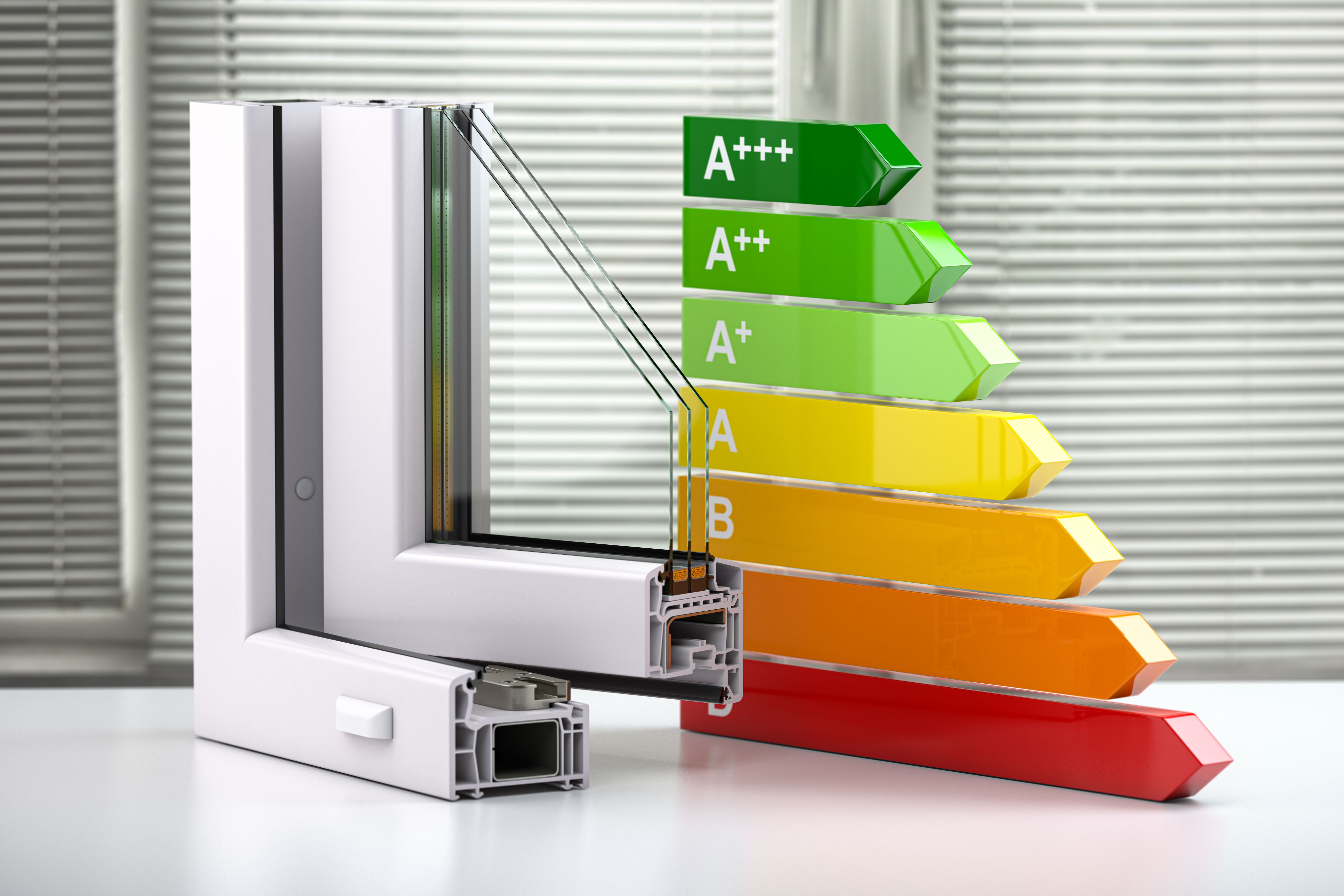
Additionally, consider doors with low-E coatings, which help reduce heat transfer, keeping your home comfortable year-round and potentially lowering energy bills.
Security Features
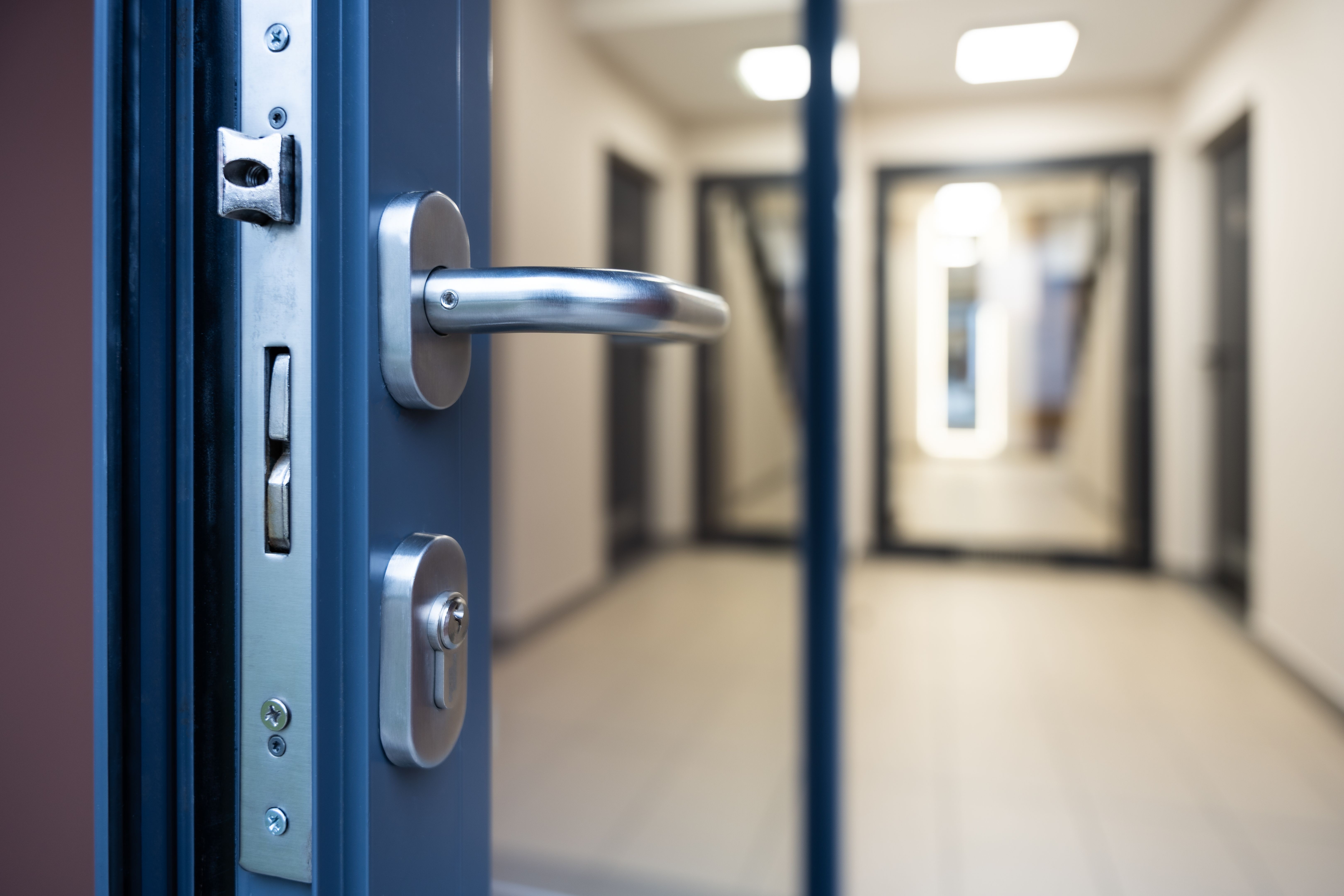
Security is a significant concern when it comes to sliding doors. Opt for doors with strong locking mechanisms and shatterproof glass to enhance safety. Multi-point locking systems provide added security by securing the door at multiple points along the frame.
Other security features to consider include reinforced frames and security bars, which can deter potential intruders and provide peace of mind.
Cost and Installation
The cost of sliding doors varies depending on the type, material, and additional features. It's essential to set a budget and compare options that meet your financial constraints. Don't forget to factor in installation costs, as professional installation ensures proper function and longevity.
Consider obtaining quotes from multiple suppliers and installers to get the best deal. Some companies offer package deals that include both the door and installation, which can be cost-effective.
Final Thoughts
Choosing the right sliding door requires careful consideration of various factors, including type, material, size, energy efficiency, security, and cost. By evaluating these elements, you can find a sliding door that enhances your home's functionality and aesthetic appeal.
Remember, the best sliding door for your space should complement your lifestyle and meet your specific needs, providing lasting satisfaction and value.